Loading module…
Resources · BLOG_INDEXEngineering
Engineering
blog.
Field-tested writing from the people who build the harnesses. IPC/WHMA-A-620 acceptance criteria, AWG selection, connector trade-offs, overmold materials, RFQ practice — written for B2B procurement and design engineers, not search engines.
FilterAllEngineeringManufacturingProcurement
 Engineering
May 18, 2026·9 min read
RG-6 vs RG-59 coax: select by loss budget, bend room, and termination risk
RG-6 and RG-59 are both 75 ohm coax families, but they do not behave the same in a finished assembly. The practical selection comes down to attenuation, routing space, connector tooling, and test coverage.
Read article Engineering
May 18, 2026·9 min read
RG6 vs RG11: distance, loss budget, and production tradeoffs
RG6 and RG11 are both 75 ohm coax families, but they do not behave the same in long runs, tight enclosures, or production. Here is how to choose between them before the BOM is frozen.
Read article Engineering
May 18, 2026·9 min read
RG58 vs RG59: 50 ohm RF coax vs 75 ohm video coax in OEM assemblies
RG58 and RG59 are not interchangeable BOM lines. The right choice depends on impedance, connector geometry, loss budget, strip program, and the test record your customer will accept.
Read article Engineering
May 18, 2026·9 min read
RG58 coaxial cable: when 50 ohm legacy coax still belongs in the BOM
RG58 is not a universal RF cable. It is a 50 ohm coax choice that still fits short industrial, test, and antenna runs when the drawing controls connector fit, strip length, bend radius, and VSWR test limits.
Read article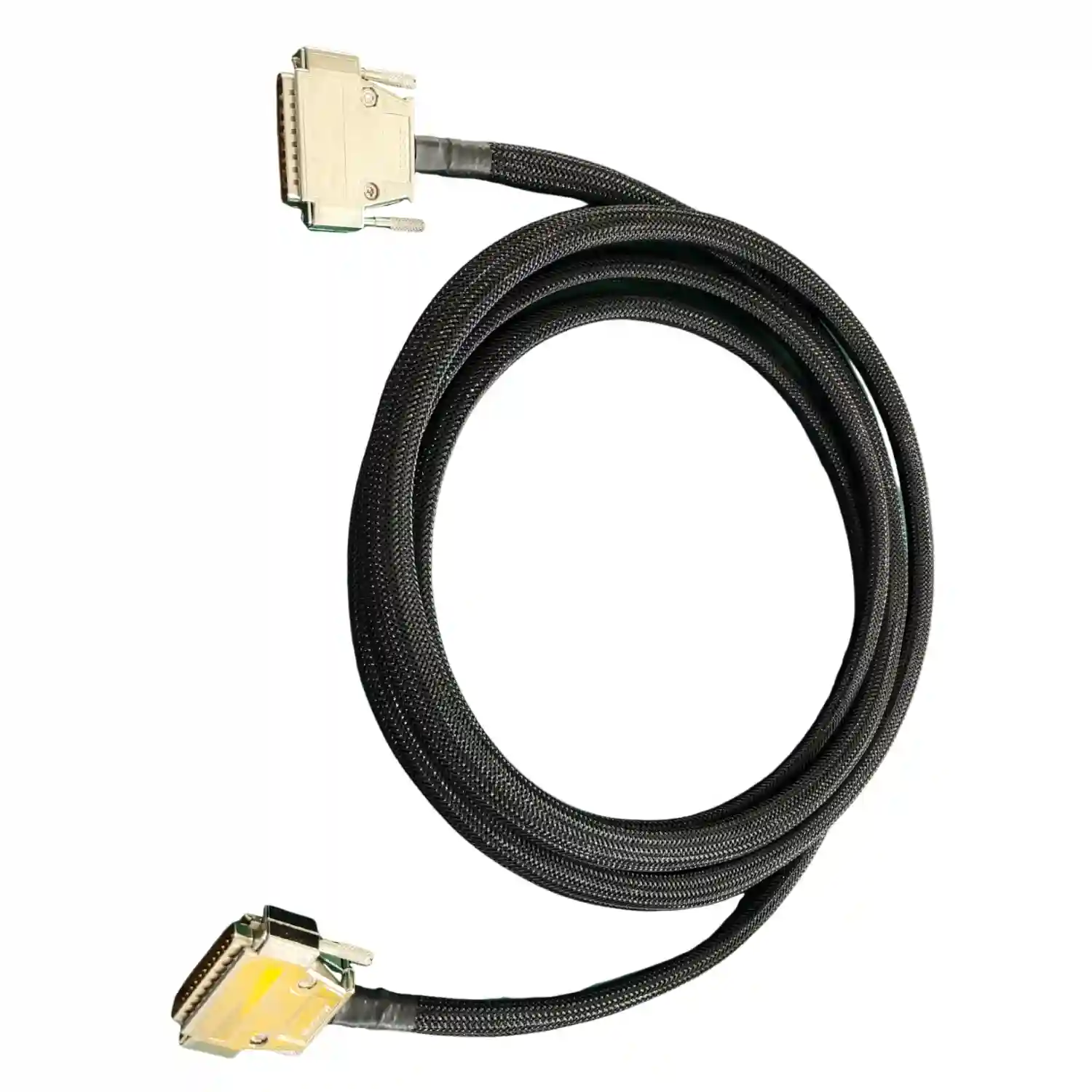 Engineering
May 18, 2026·10 min read
RF connector types by impedance, frequency, and assembly risk
SMA, SMB, BNC, TNC, FAKRA, MMCX, and U.FL fail for different reasons. This field guide maps connector type to impedance, frequency range, mating cycle expectations, cable geometry, and production controls.
Read article Engineering
May 18, 2026·9 min read
Coaxial cable types and specifications for production RF assemblies
RG-58, RG-174, RG-316, RG-6, FAKRA, and micro-coax callouts fail when impedance, length tolerance, strip geometry, and test limits are left open. Here is the drawing-level spec set that prevents RF rework.
Read article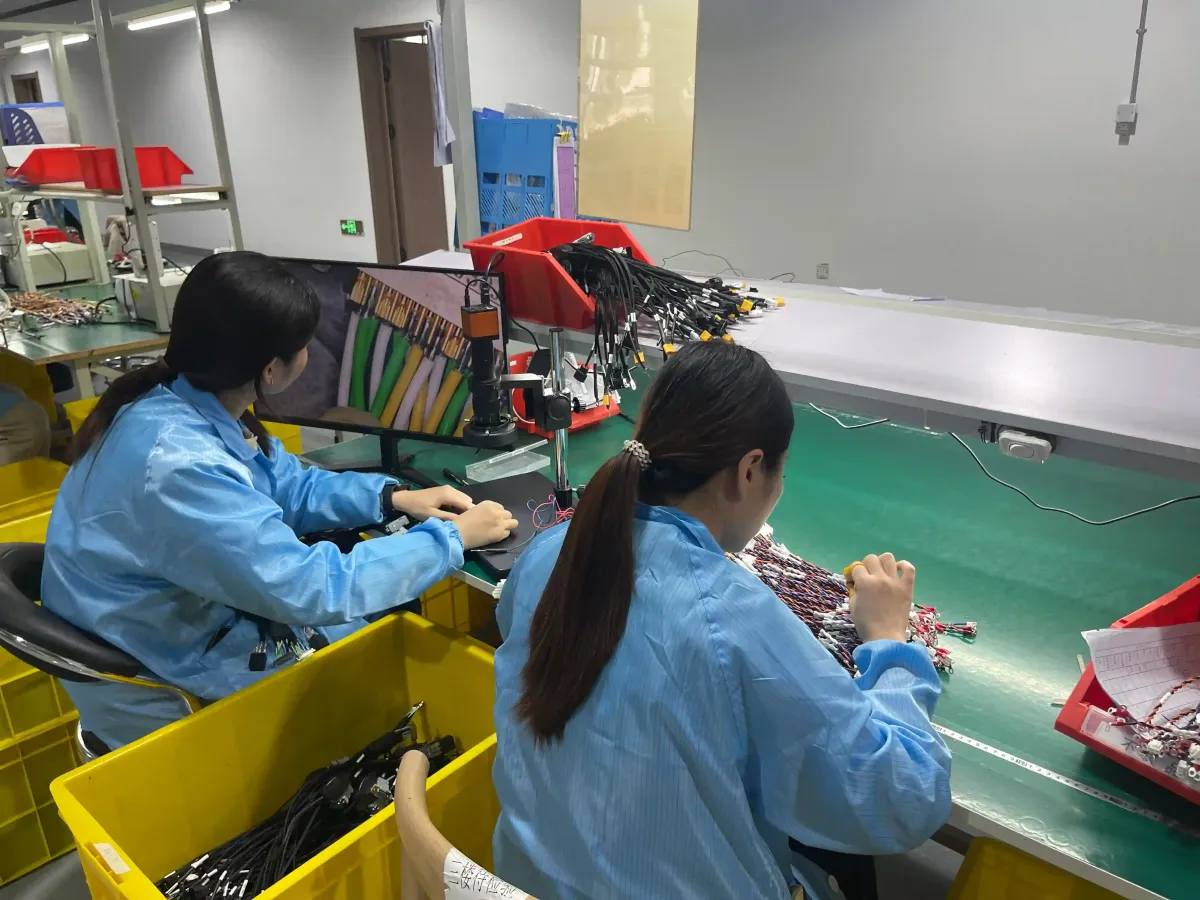 Engineering
May 18, 2026·9 min read
Coaxial cable transmission speed: delay, bandwidth, and test limits
Coax transmission speed is not a single Gbps number. Here is how velocity factor, cable loss, impedance, connector geometry, and RF test limits decide whether a coax assembly passes at 6 GHz or fails after continuity.
Read articleEngineeringMay 18, 2026·9 min read
Coaxial cable ratings that decide whether an RF build passes
Impedance, frequency, VSWR, attenuation, voltage, jacket temperature, and bend geometry are not interchangeable rating lines. This guide shows what to lock before quoting a coaxial cable assembly.
Read articleEngineeringMay 18, 2026·9 min read
Coaxial cable design rules that prevent impedance and shield failures
A practical design checklist for OEM coaxial assemblies: impedance, cable family, shield termination, connector fit, drawing callouts, and production tests that catch high-impedance failures before shipment.
Read article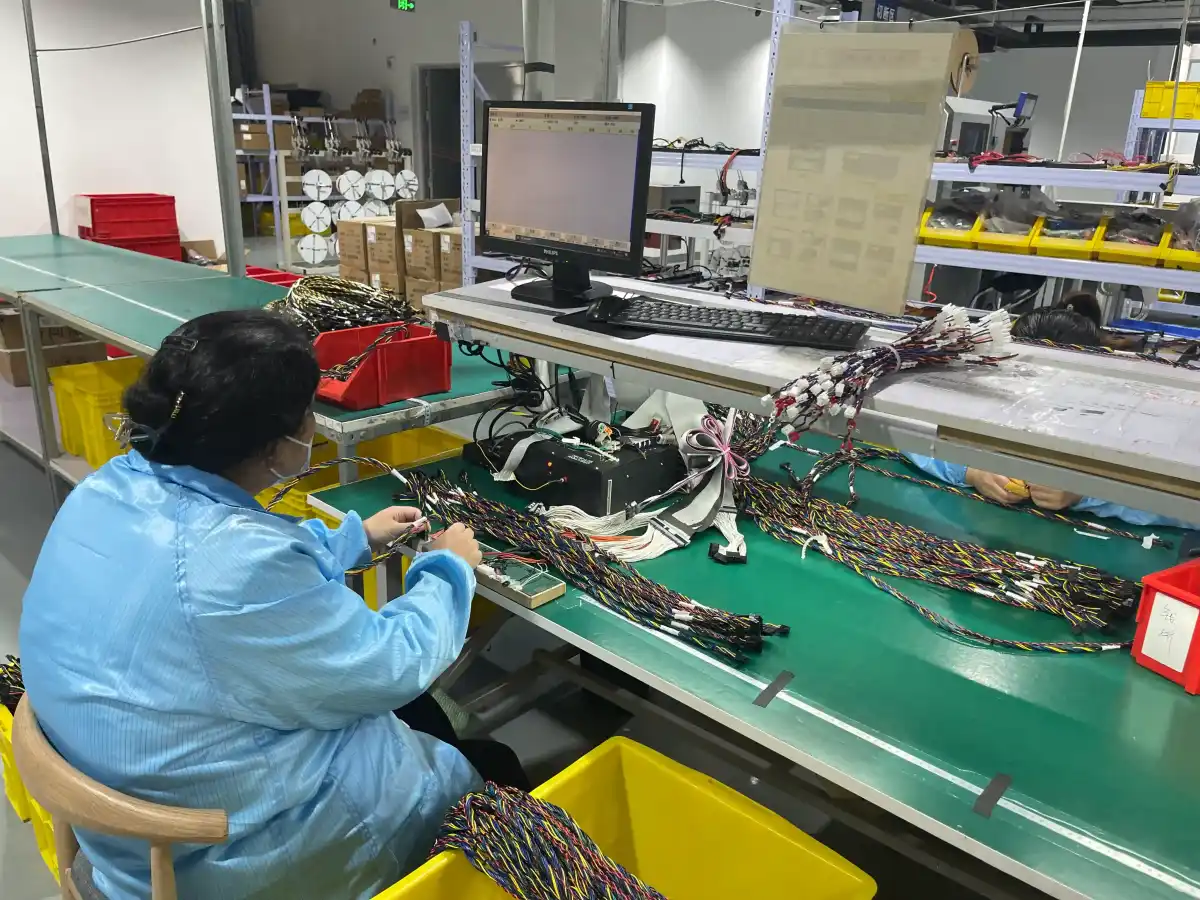 Engineering
May 18, 2026·10 min read
Coaxial cable connector types by impedance and assembly risk
SMA, BNC, TNC, FAKRA, MMCX, U.FL, and I-PEX micro-coax are not interchangeable. Select by impedance, frequency, mating environment, strip geometry, and the failure mode your production line can actually control.
Read articleEngineeringMay 18, 2026·9 min read
Coax Cable Standards: RFQ lines that prevent impedance and test escapes
Coax standards are not one clause. Impedance, cable construction, workmanship class, shield termination, and test method all need separate acceptance language before production starts.
Read articleManufacturingMay 1, 2026·12 min read
Polyurethane vs hot-melt vs silicone: Overmold material selection by mission profile
Three families of overmold material dominate cable-assembly work, and they fail differently. A trade-off matrix based on operating temperature, chemical exposure, UV environment, and unit cost.
Read article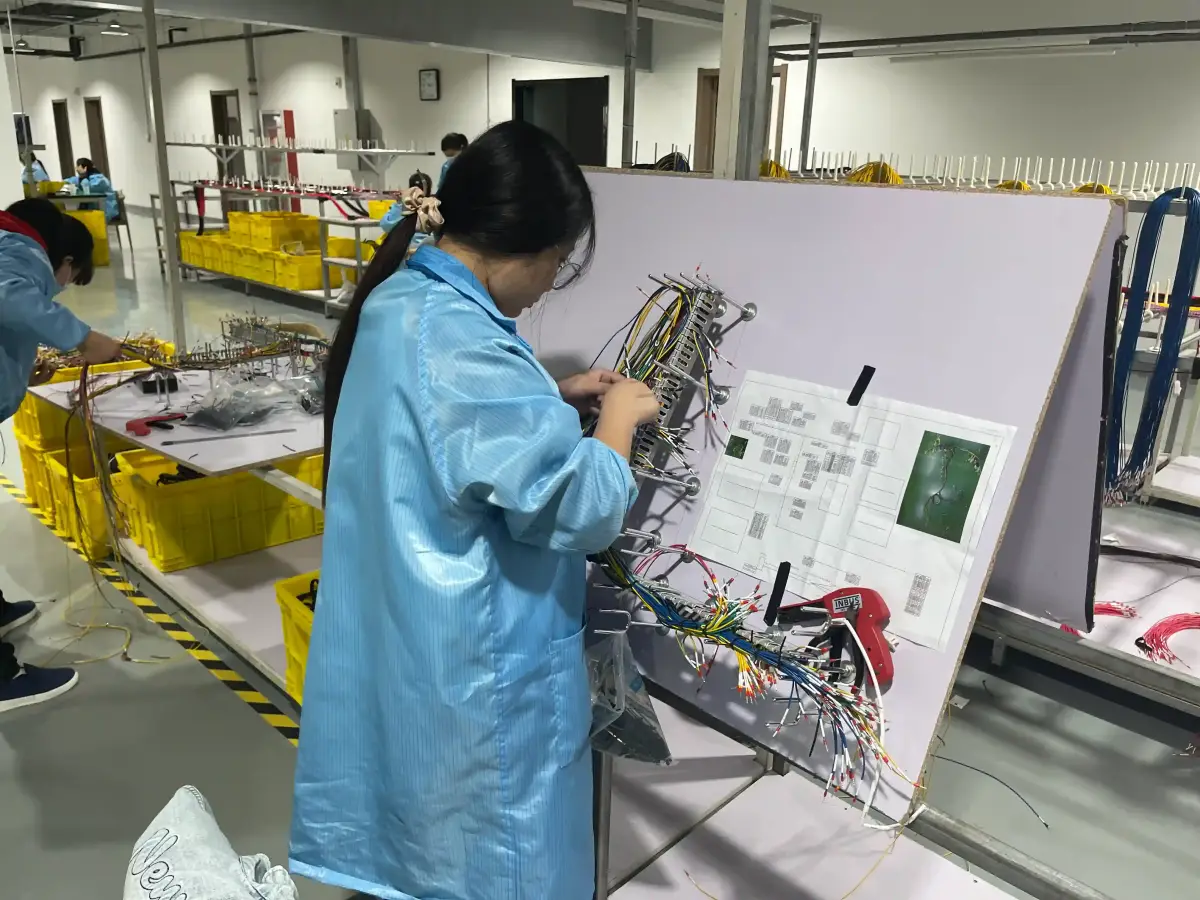 Procurement
Apr 22, 2026·9 min read
RFQ checklist: 11 items that cut cable-assembly quote turnaround from 2 weeks to 24 hours
After 23 years quoting cable assemblies, the single biggest predictor of fast quote turnaround is the quality of the RFQ. Here are the 11 items that, if present in the first email, mean we send a quote the next business day.
Read article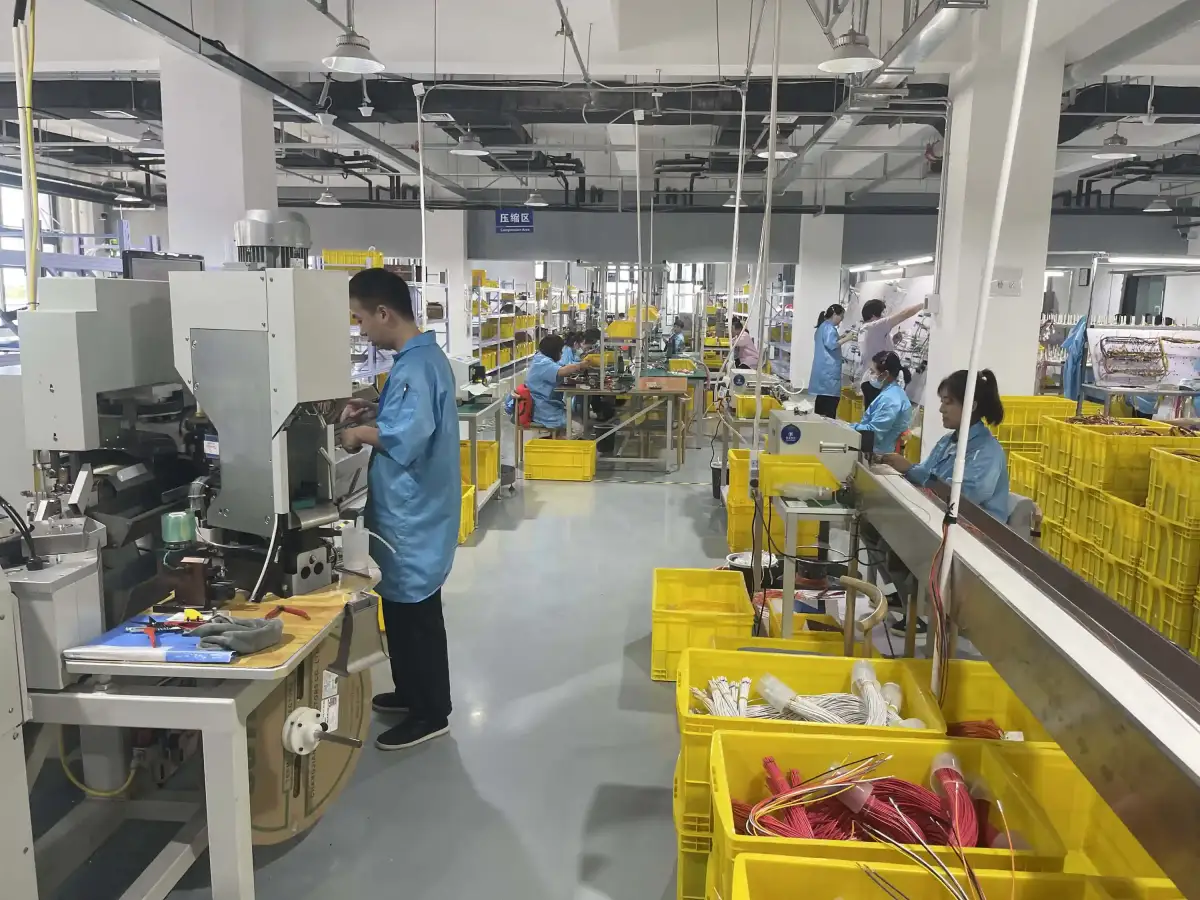 Procurement
Apr 15, 2026·10 min read
Molex Mini-Fit Jr vs Mini-Fit Sr: When connector pitch costs you a redesign
Mini-Fit Jr at 4.2 mm pitch, Mini-Fit Sr at 5.7 mm. The price delta is small. The downstream design implications are not. A buyer-side decision matrix for when each is the right pick.
Read article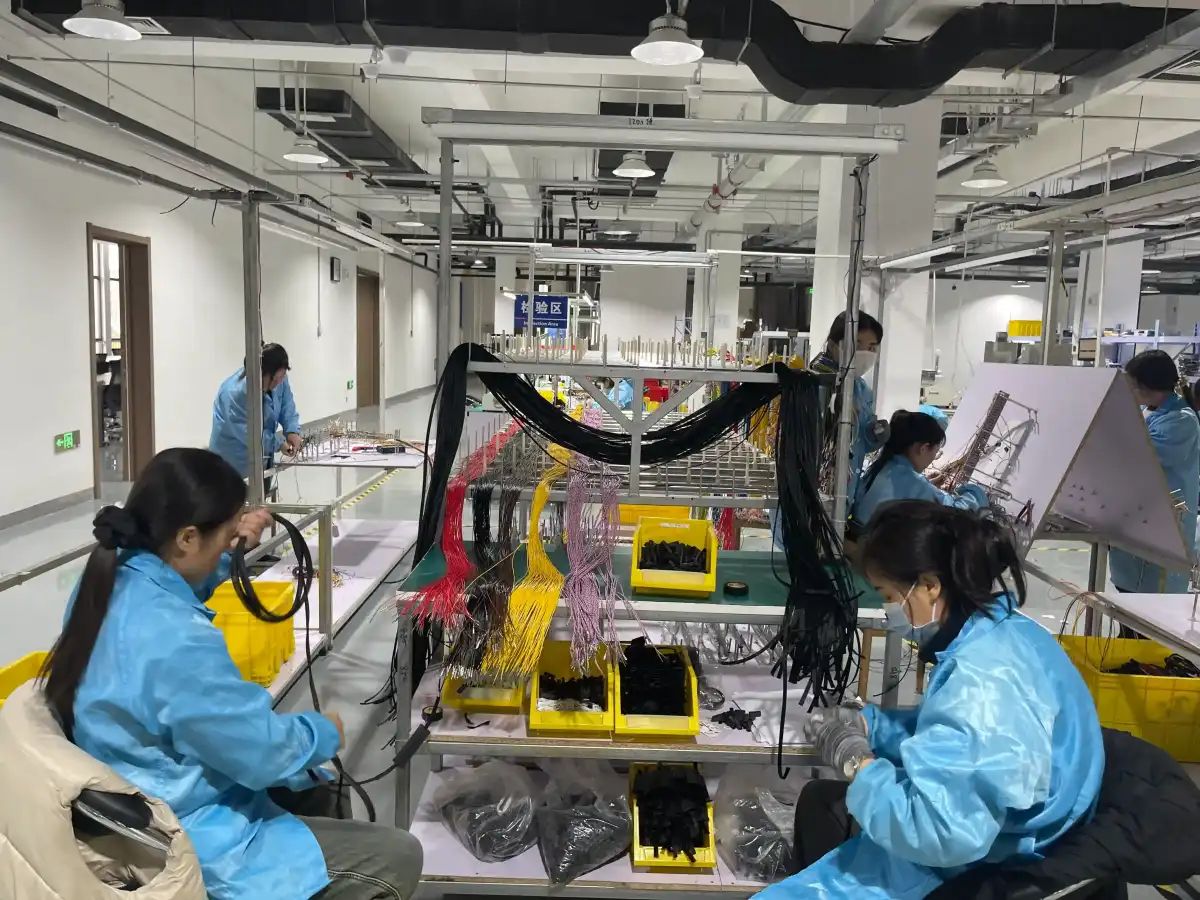 Engineering
Apr 8, 2026·13 min read
Wire gauge selection field guide: AWG vs current rating in real installations
AWG tables online disagree with each other by 30%. Here is how we pick gauge for a harness build — bundle derating, insulation rating, NEC vs UL ampacity differences, and the rules of thumb that actually survive customer audit.
Read article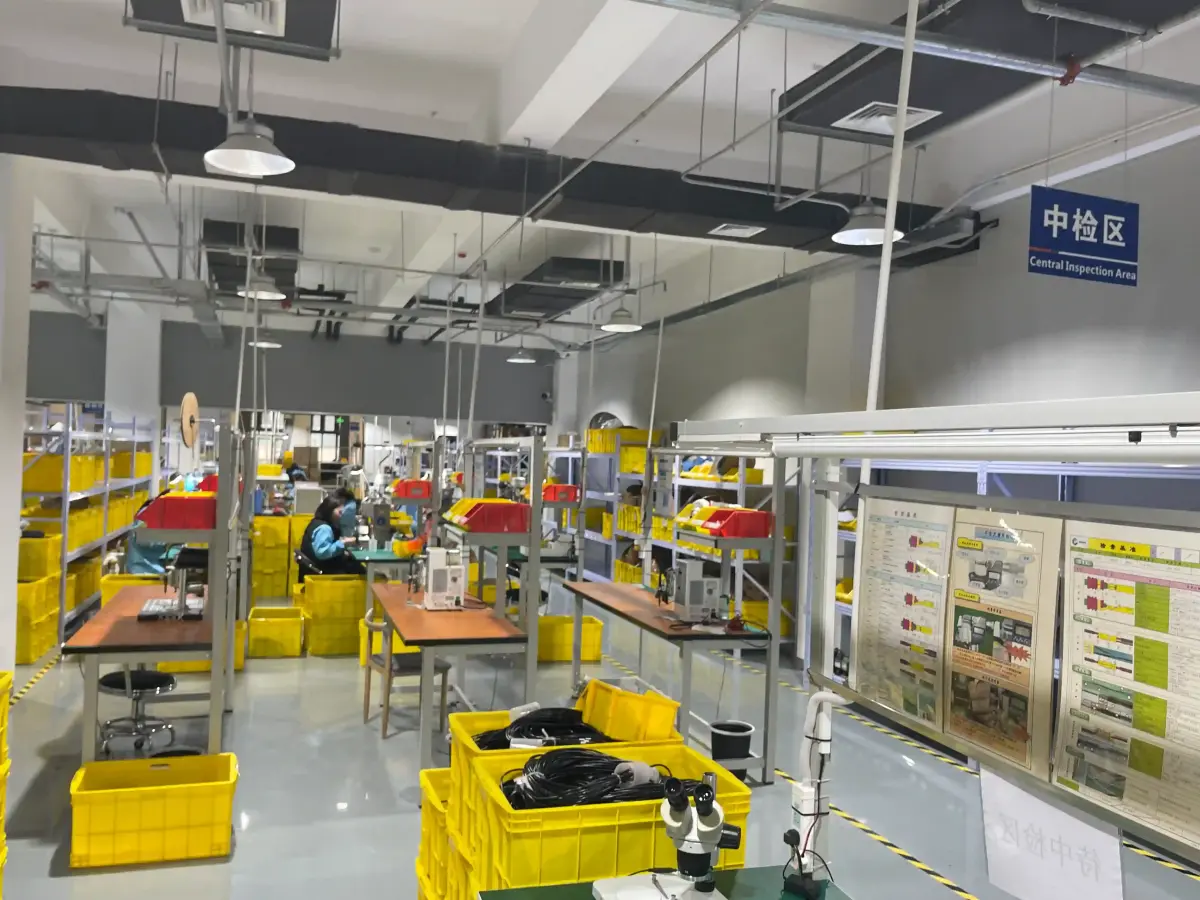 Engineering
Apr 1, 2026·11 min read
IPC/WHMA-A-620 Class 2 vs Class 3: When the upgrade actually matters
Class 3 is not always the right answer. A field-tested breakdown of the acceptance-criteria deltas, the programs that legally require Class 3, and the real per-unit cost premium when you specify it.
Read articleEngage · CTA_BLOG
Have a build question we did not cover?
Engineering reads every inbound. We answer technical questions before requiring a PO. Response within 4 business hours. No obligation. Drawings stay under NDA.